In January I reported on my continuing efforts to grow Ranunculus. Commonly known as Persian Buttercups, these flowers were initially a breeze for me to grow, but more recently they seem to just die for no reason. I have no idea why.
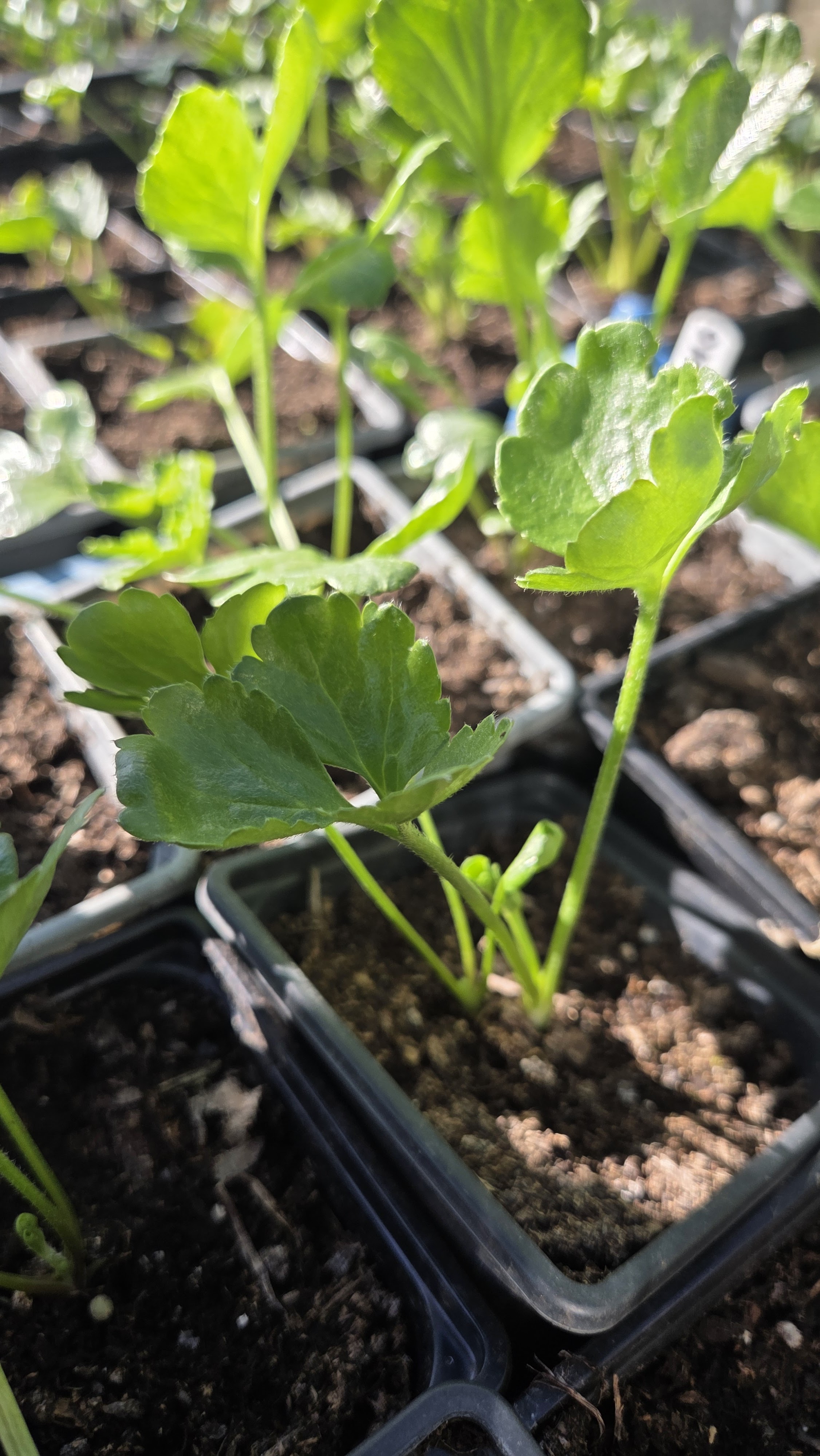
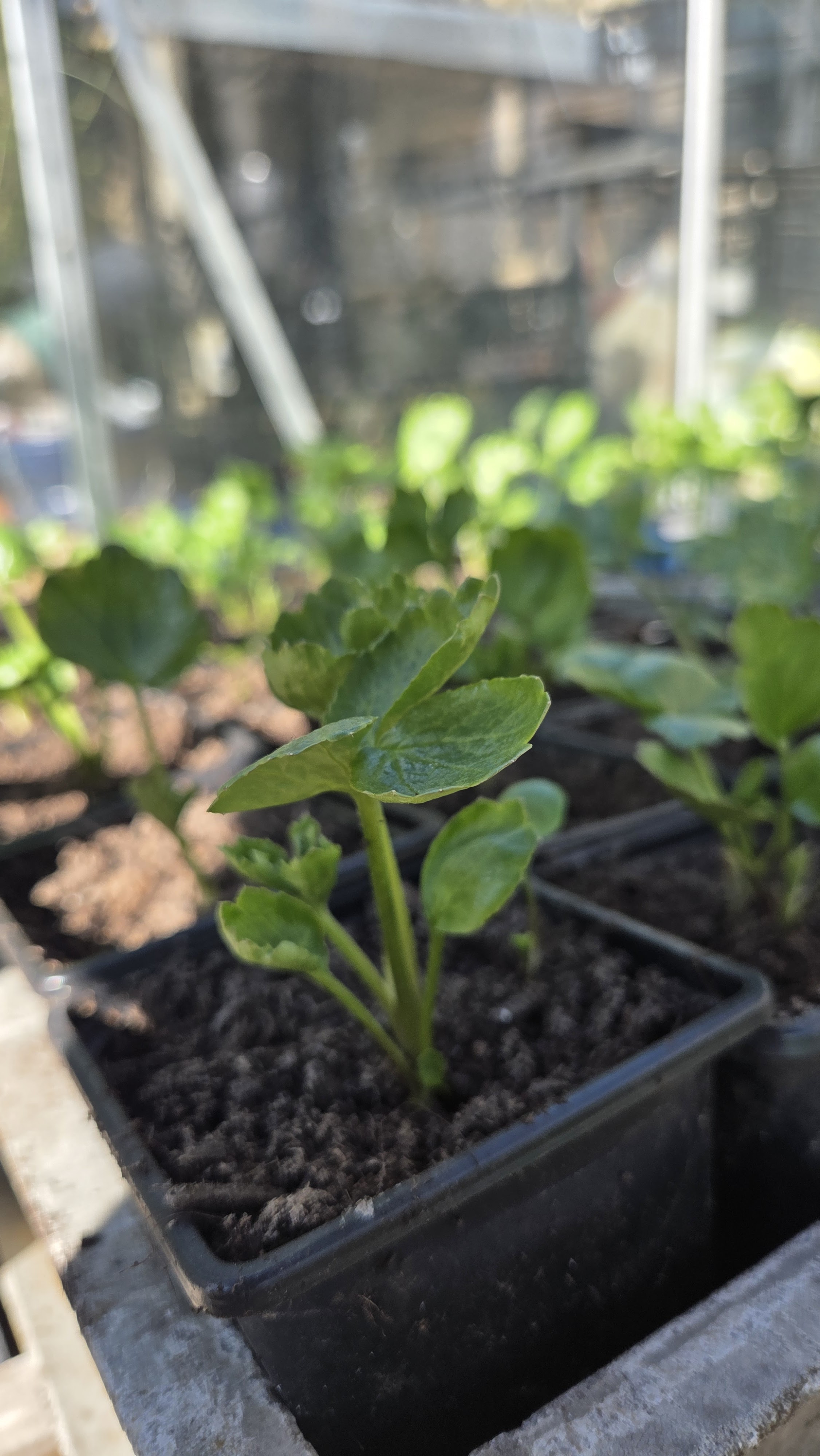
But this year, I seem to have cracked it, thanks to some info sourced on the internet. The method involves starting the corms packed tightly together in a shallow seed tray, barely covered by compost. Given a light watering, within a few weeks there were small shoots coming through. I transferred them to 9cm pots and now every single corm is flourishing. All 101 of them. It seems too easy. I do not have the early blooms that I have tried for in previous years (and often failed) but maybe it is worth the delay.
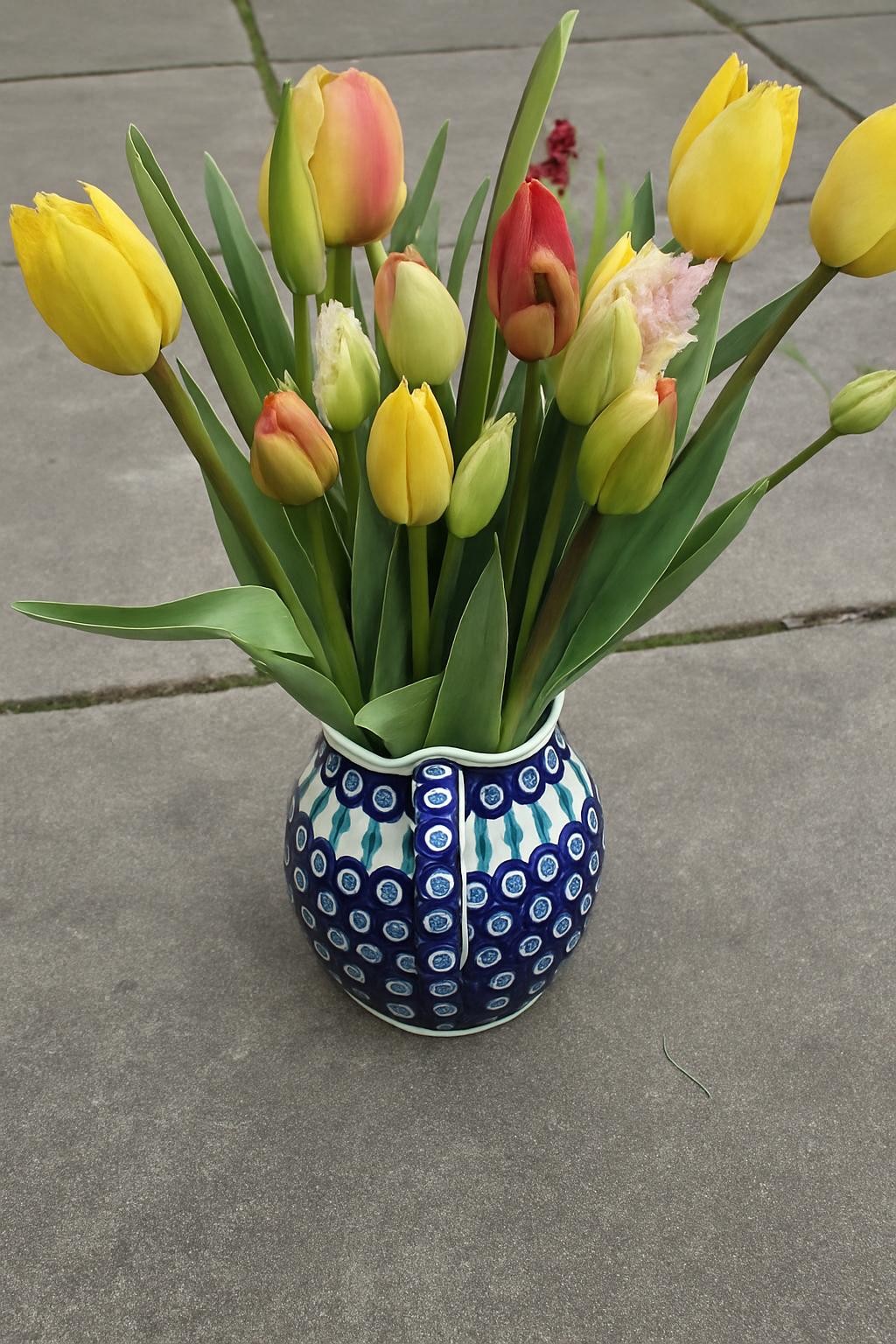
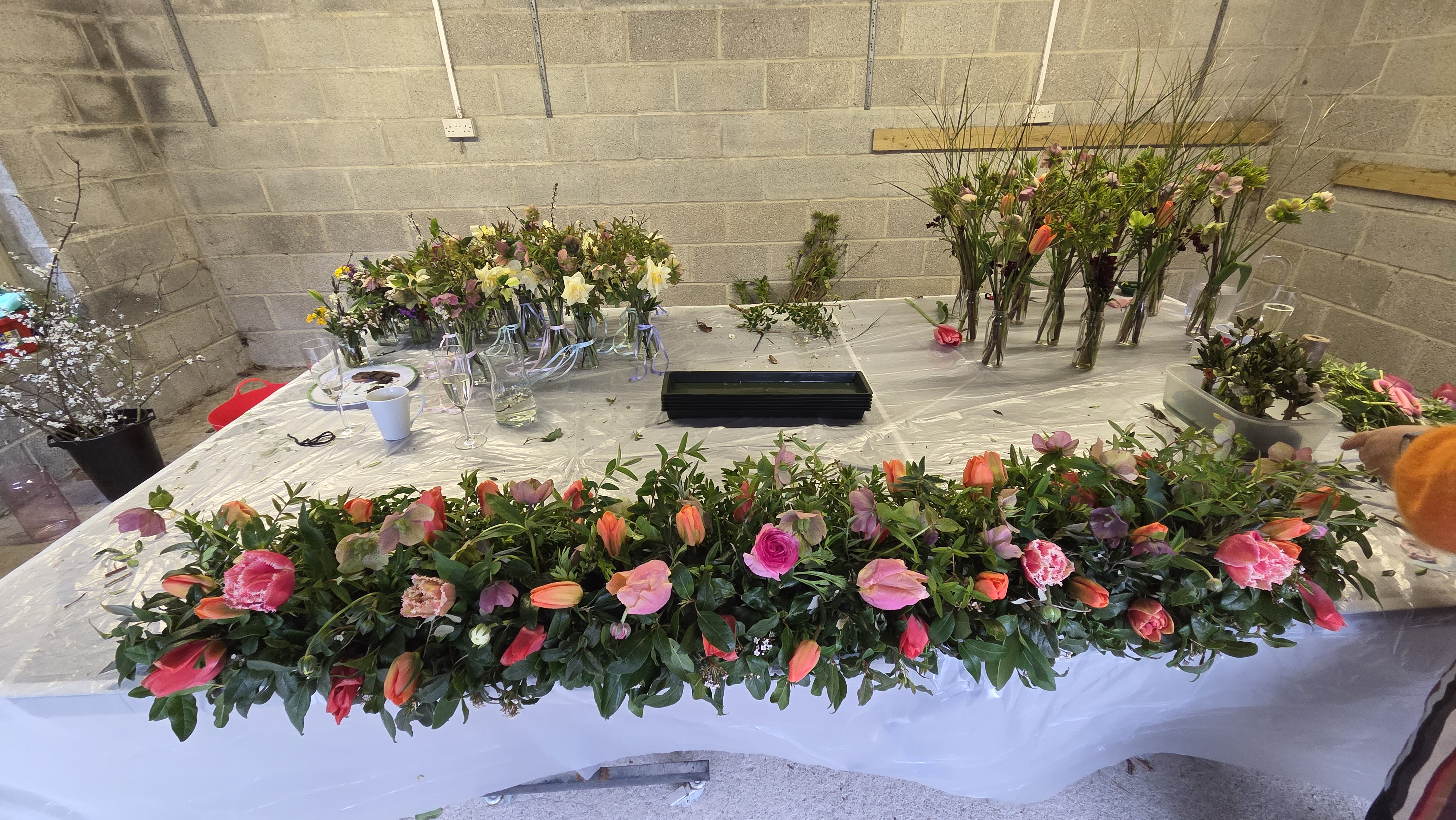
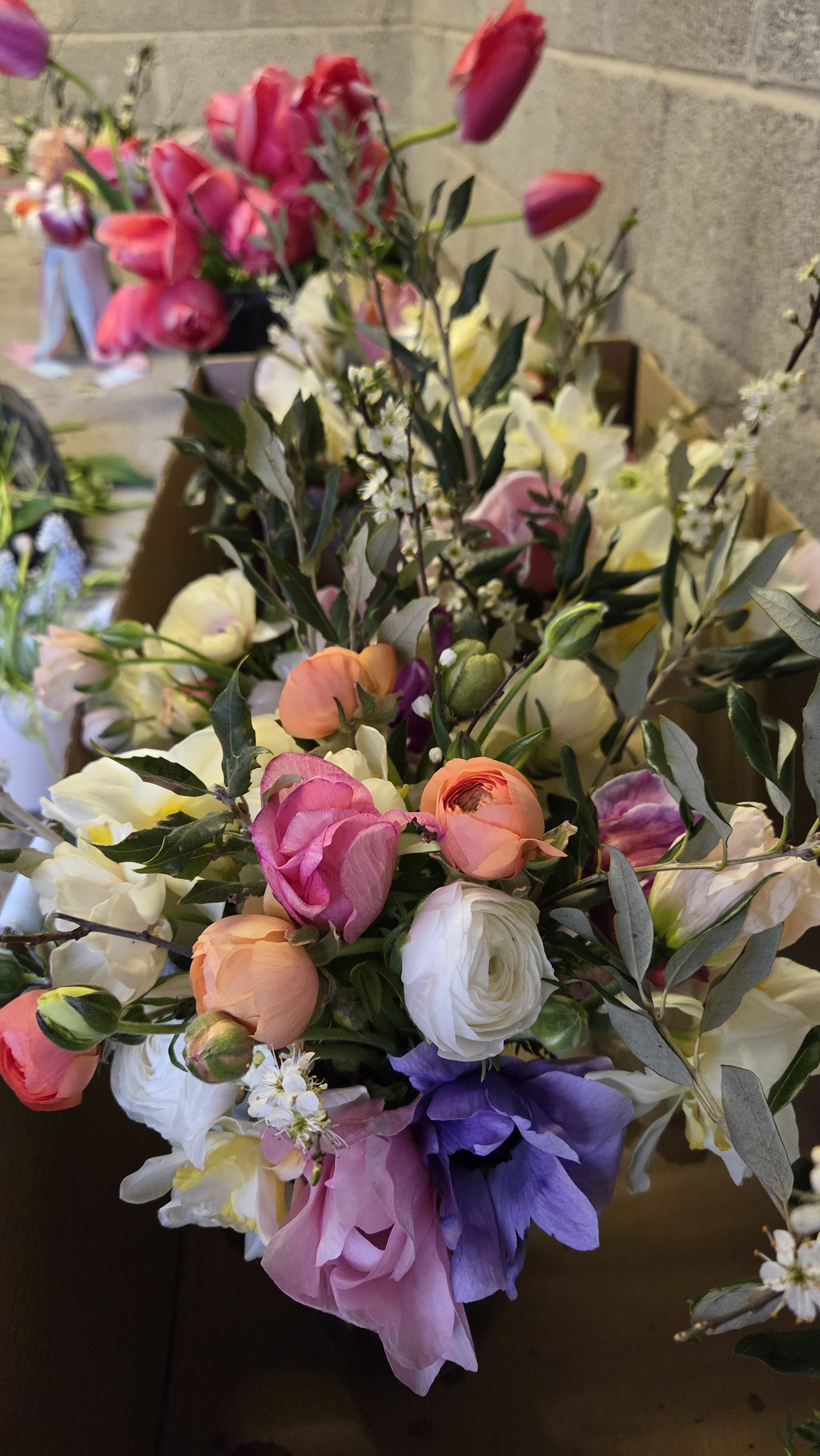
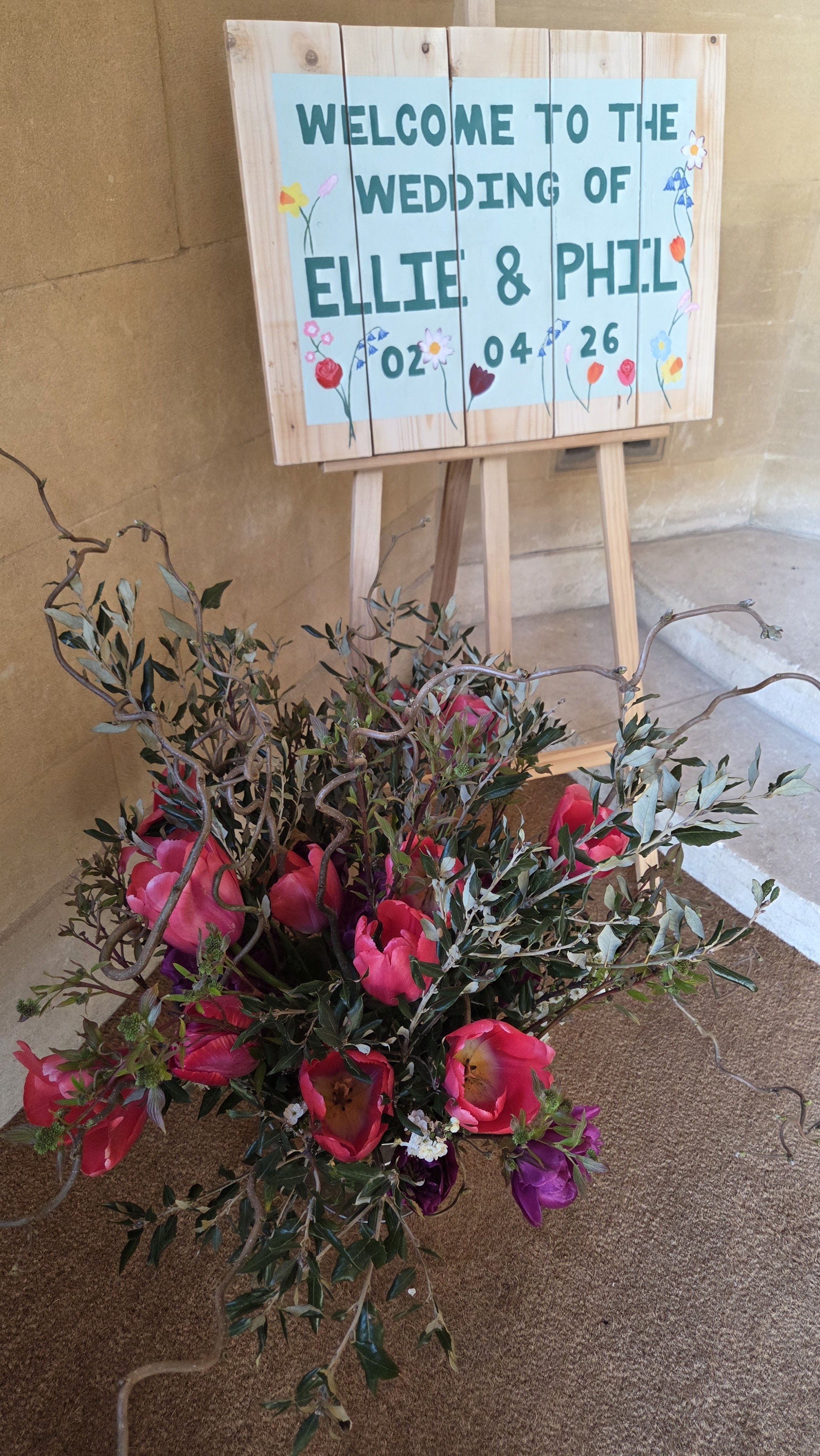
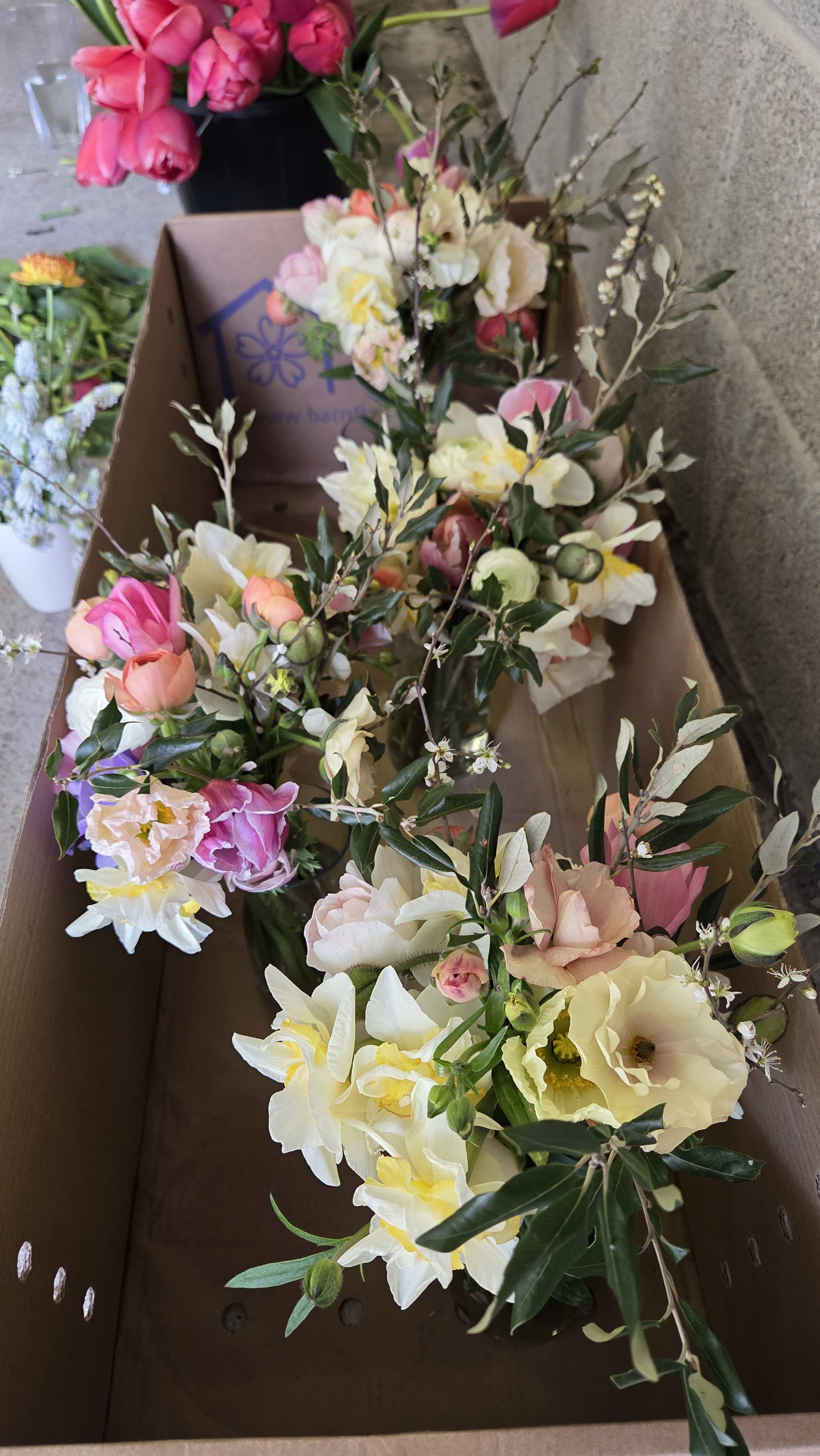
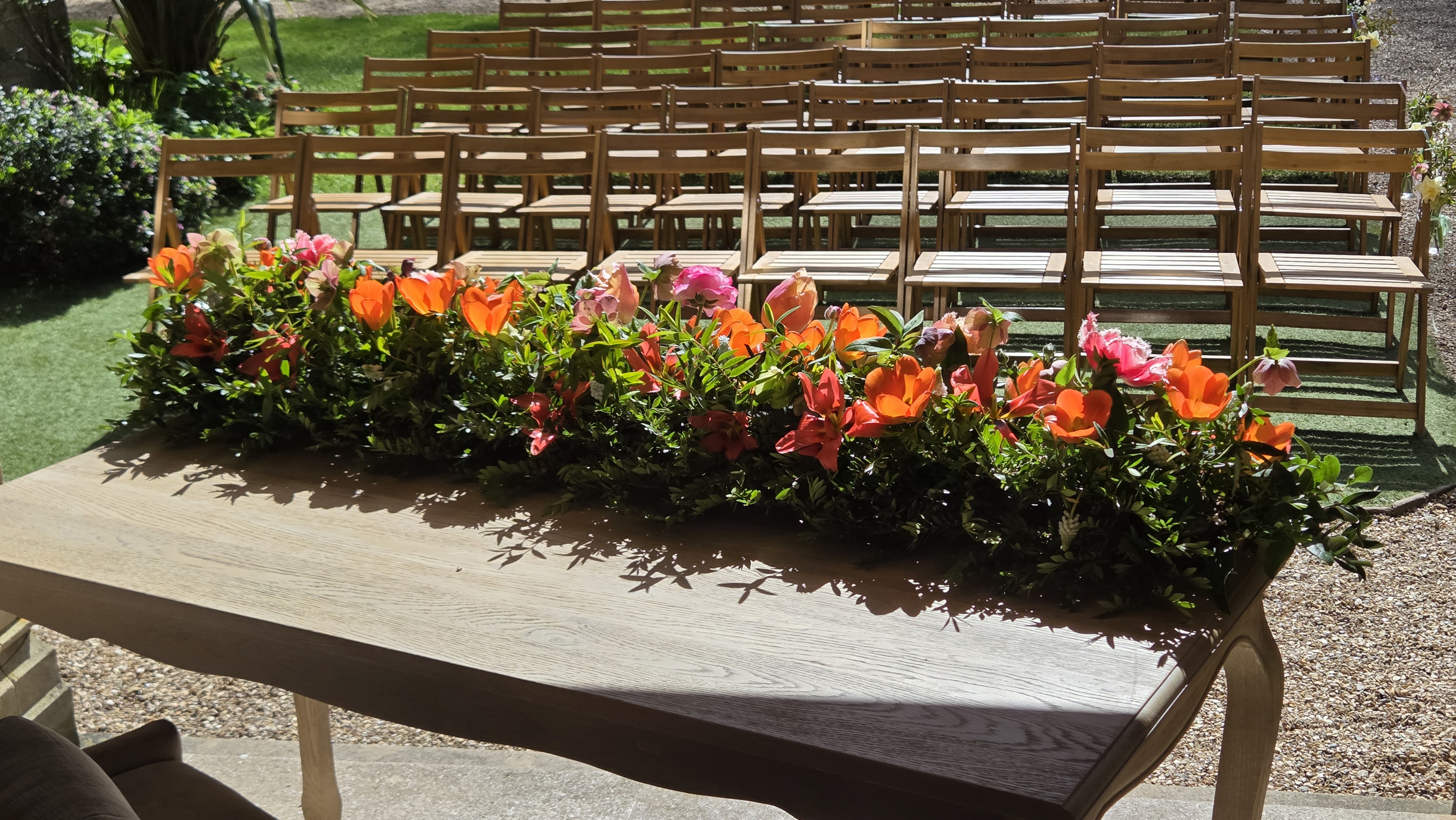
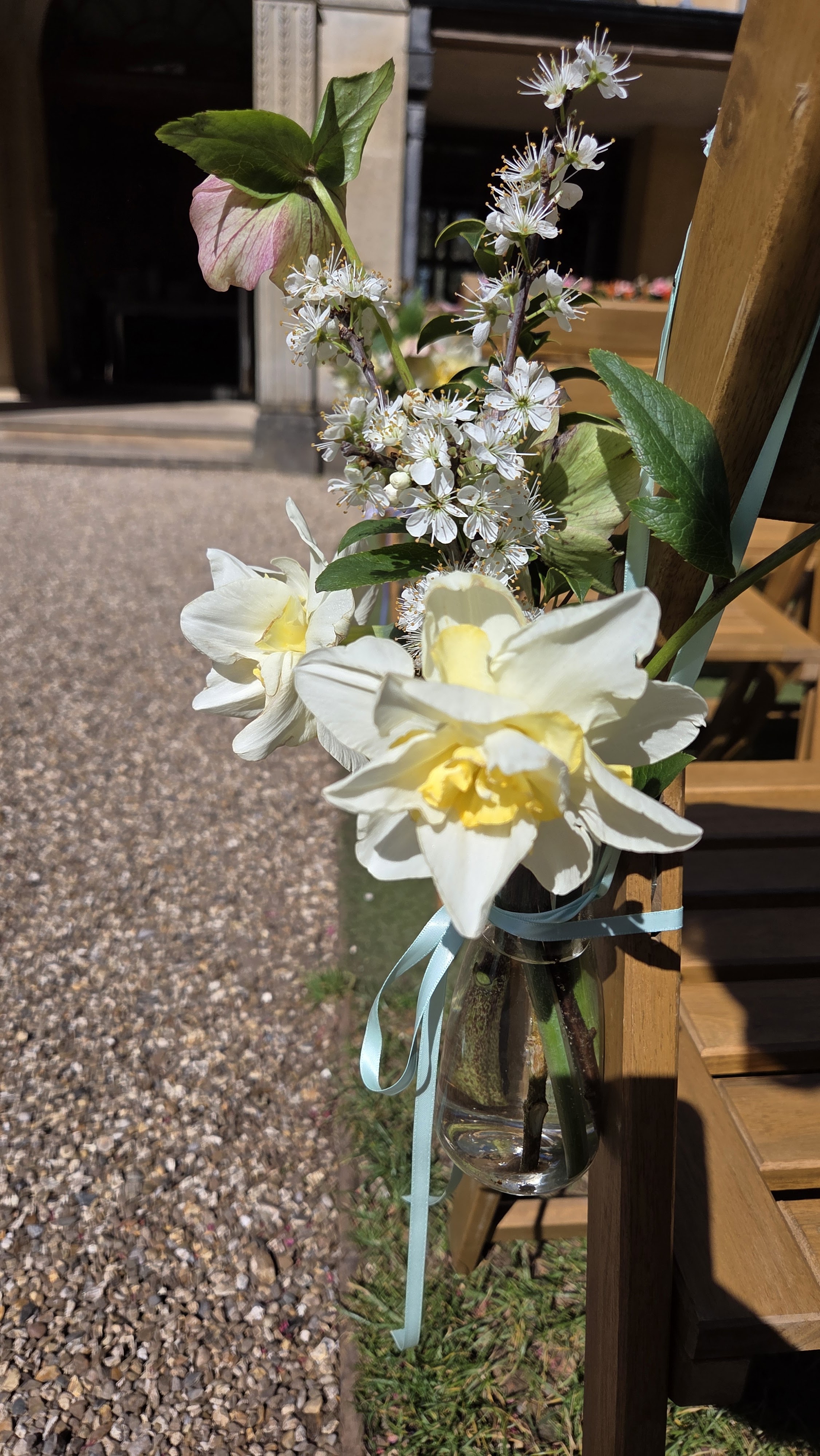
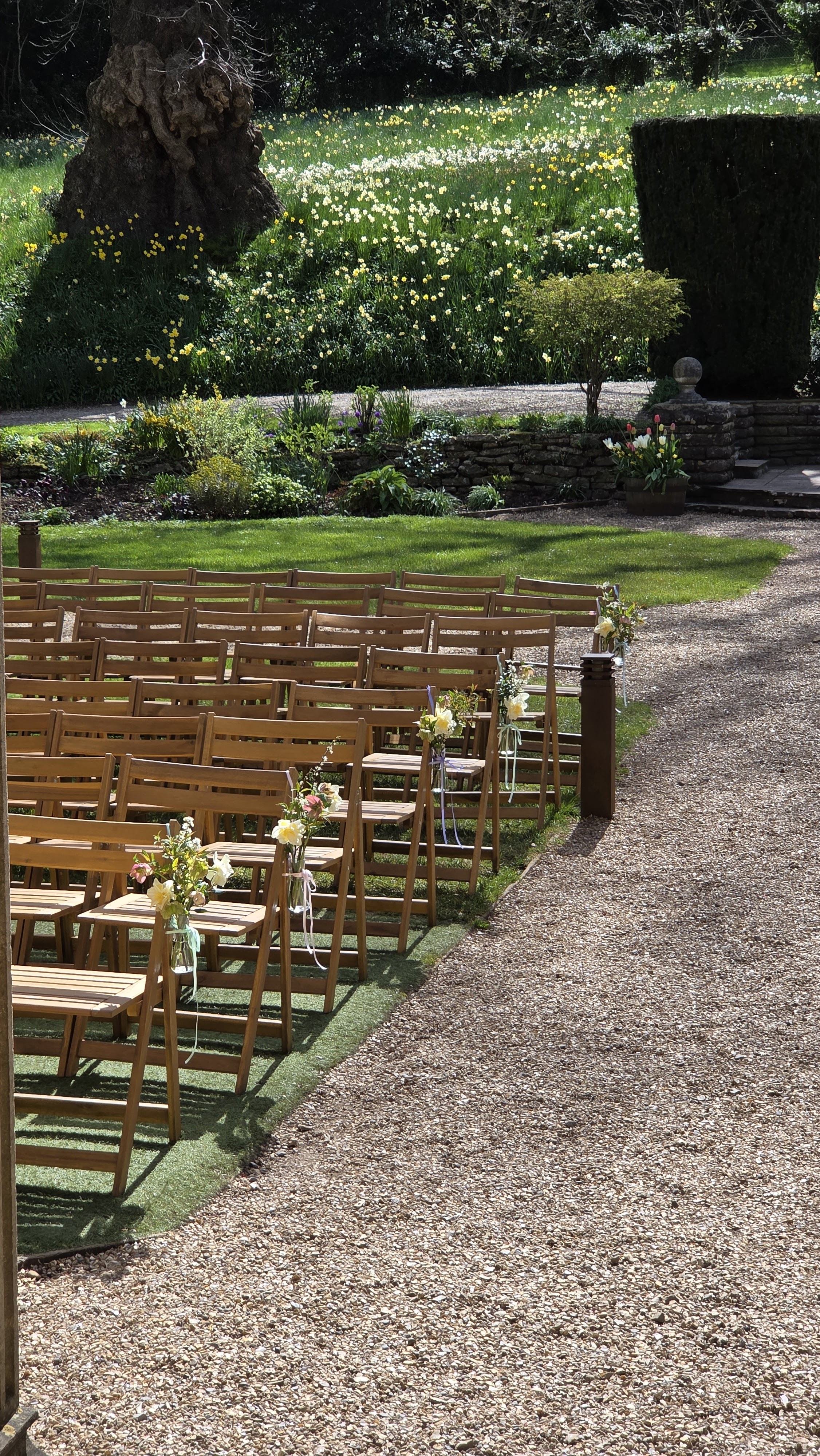
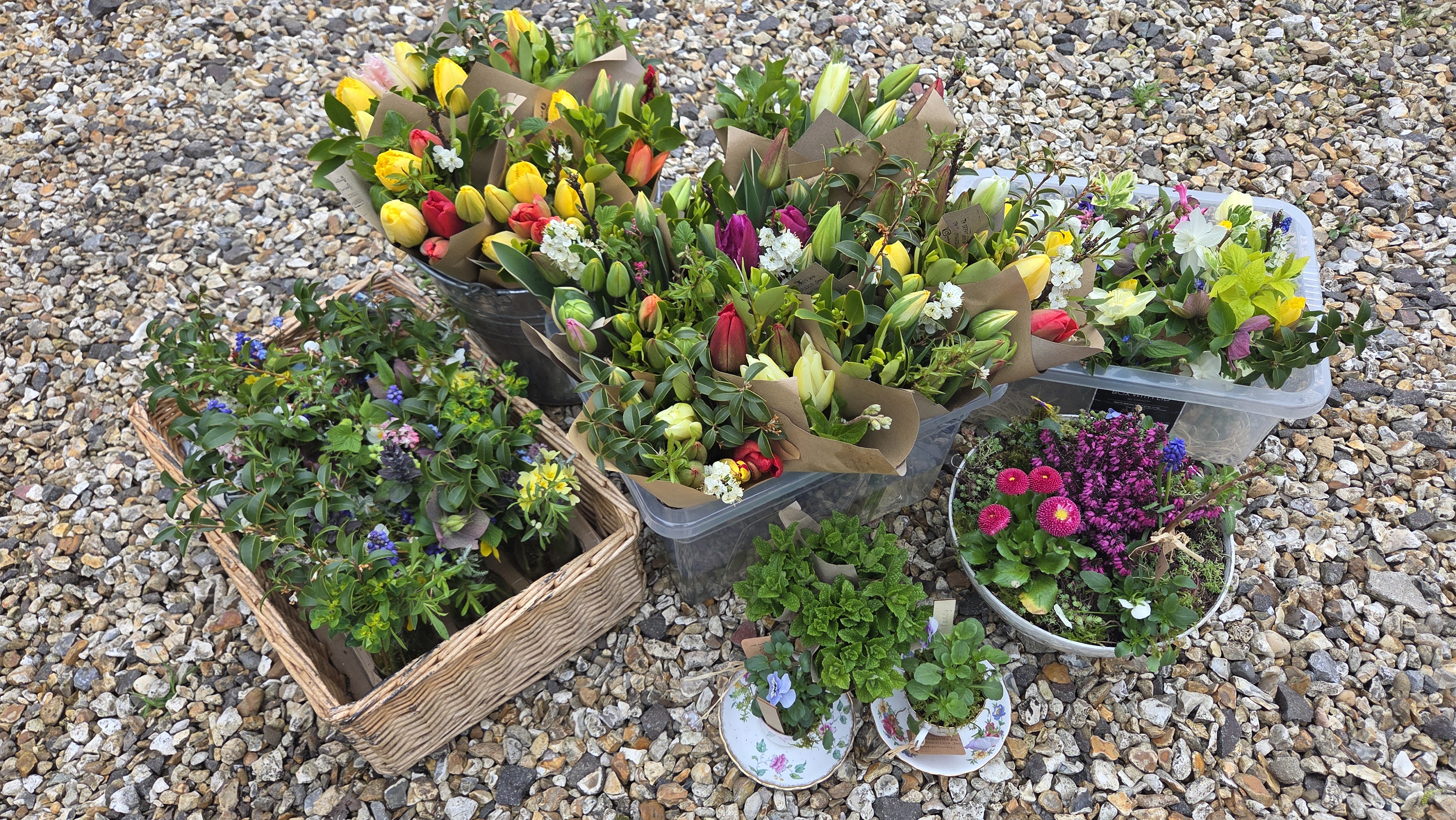
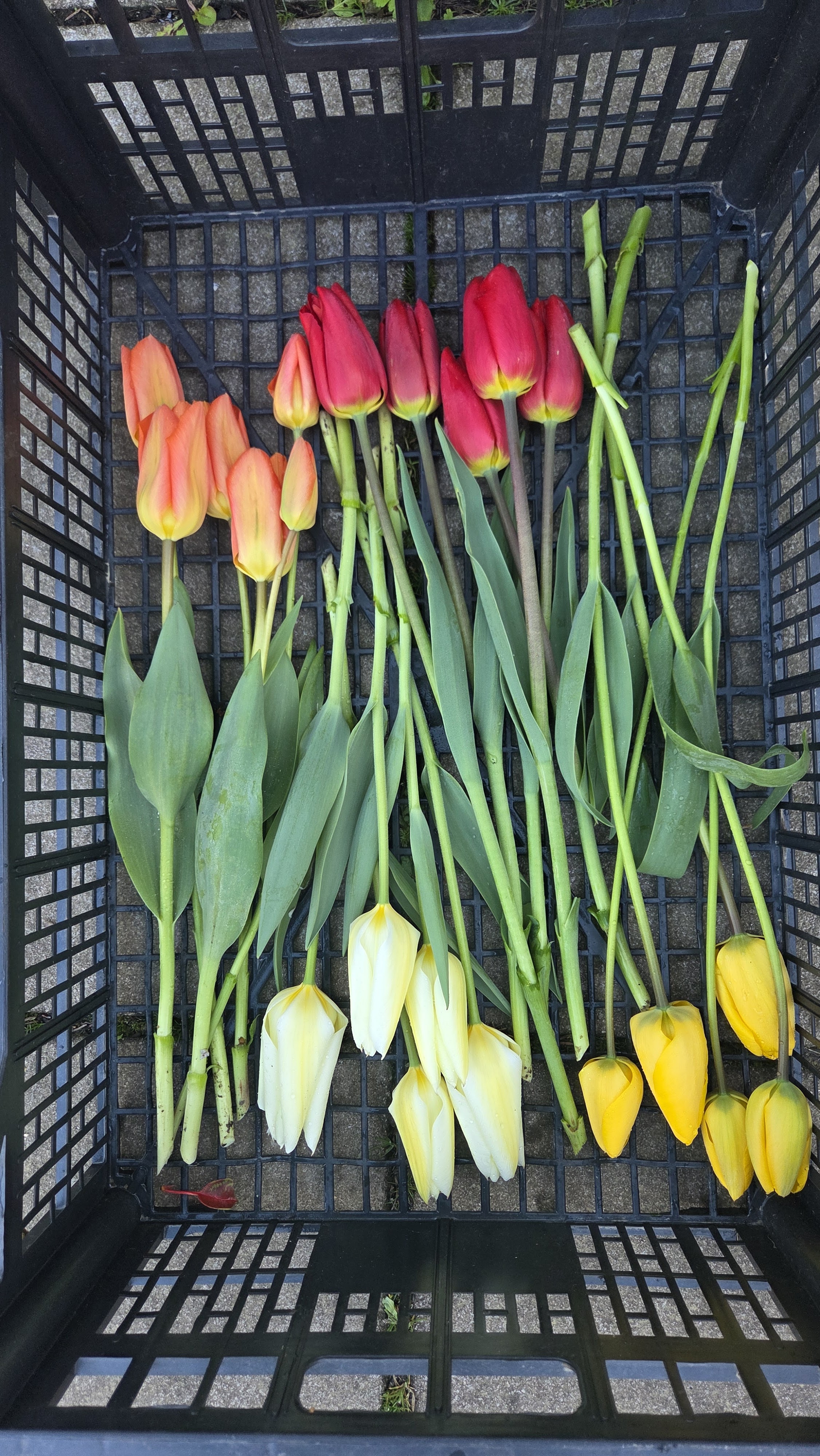
Last week, we were in a ‘collab’ producing flowers for Ellie’s wedding (daughter of our good friends Steve and Lesley). It was joyful affair and we felt honoured to be able to contribute to the day in such a positive way. Being so early in the year, it was touch and go as to what stems we would be able to provide, but in the absence of any early ranunculus, the Garden Gate tulips came good, doing much of the floral heavy lifting. But ranunculus was there too, albeit stems that had been sourced from a Devon flower farm by our collaborator, Nat, Ellie’s sister-in-law. Nat was the primary organiser of the arrangements and utilised the ranunculus to create some wonderful bridal bouquets and buttonholes. She had also made some awesome dried flower rings for the smallest bridesmaids. It was a pleasure working with Nat.
I have said it many times, how gardening and horticulture teaches us about patience and humility. Our flowers bloomed because of some careful planning, nurturing and, above all, time. We did not have to shout, swear or use excessive force to get the results we wanted.
Although we might not have had ranunculus in time for the April wedding, we are quietly confident of a good crop of them in due course. As the Middle East is in danger of being bombed ‘back to the Stone Ages’ by our one-time allies, it seems ironic that I am about to produce my best crop of Persian Buttercups.

 Midlife Gardener